What if a single hospital visit could wipe out your financial stability? Millions of Americans face this harsh reality every year. While medical emergencies are unpredictable, the crushing weight of unpaid bills doesn’t have to be permanent.
Contrary to popular belief, there’s no special legal category for “medical bankruptcy.” However, uninsured healthcare costs can often be eliminated through standard debt relief processes. Both Chapter 7 and Chapter 13 options provide pathways to address overwhelming expenses, though their approaches differ significantly.
Chapter 7 typically discharges qualifying debts within months, while Chapter 13 creates structured repayment plans. Either choice impacts credit scores for years but offers critical breathing room. Before pursuing either path, credit counseling from approved agencies is mandatory – a step that helps individuals understand alternatives.
Working with experienced attorneys ensures proper navigation of complex paperwork and court requirements. This guide breaks down essential considerations, from eligibility rules to long-term consequences, empowering you to make informed decisions about financial recovery.
Key Takeaways
- Medical debt qualifies for discharge under standard bankruptcy proceedings
- Chapter 7 and Chapter 13 offer different approaches to debt resolution
- Credit reports typically show filings for 7-10 years
- Mandatory credit counseling must precede any filing
- Legal guidance improves outcomes in complex cases
Understanding Medical Debt and Bankruptcy
Over 40% of adults carry balances from healthcare expenses, creating ripple effects across financial stability. Unlike credit card balances or mortgages, these obligations often arise unexpectedly, leaving families scrambling for solutions.
What Qualifies as Medical Debt?
Healthcare-related balances include hospital stays, surgeries, prescriptions, and specialist visits. These unsecured obligations lack collateral like homes or vehicles. Credit reports categorize them separately from loans, though they similarly damage scores when unpaid.
How Relief Processes Work
Both Chapter 7 and Chapter 13 treat healthcare costs as general unsecured debts. Courts require full disclosure of income, assets, and all obligations during the process. A trustee reviews documentation to ensure compliance with federal guidelines.
Mandatory credit counseling helps individuals explore alternatives before proceeding. This step often reveals negotiation opportunities with providers or payment plans. Legal professionals recommend consolidating all bills, including utilities and credit cards, to assess total liability accurately.
While relief options erase many obligations, they demand rigorous financial transparency. Strategic planning with a bankruptcy attorney helps protect essential assets while addressing overwhelming balances.
Navigating Chapter 7 Bankruptcy for Medical Bills
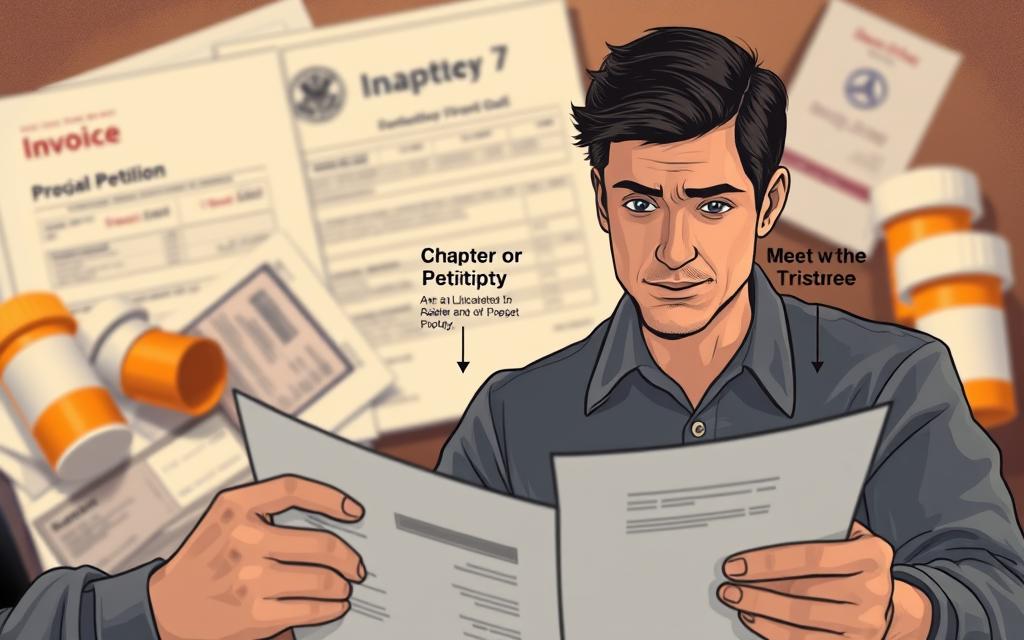
When overwhelming healthcare costs threaten financial stability, Chapter 7 offers a structured path to reset. This process prioritizes swift resolution over extended repayment, making it distinct from other debt management strategies.
Liquidation Process and Property Exemptions
Chapter 7 involves selling non-exempt assets to repay creditors. State laws protect essential items like household goods, vehicles under specific values, and work tools. Luxury possessions or secondary properties often face liquidation.
Courts appoint trustees to oversee fair asset distribution. Most healthcare-related debts qualify for discharge since they lack collateral. Exemptions vary by location, requiring careful consultation with a licensed attorney.
Timeframe, Credit Impact, and Eligibility
Cases typically conclude within six months, providing faster relief than multi-year repayment plans. Filings remain on credit reports for a decade, though rebuilding starts immediately post-discharge.
Eligibility hinges on passing means tests comparing household income to state medians. Those exceeding limits may need alternative solutions. The automatic stay provision halts collections instantly, creating breathing room during proceedings.
While eliminating balances quickly, this approach trades immediate relief for prolonged credit score effects. Strategic planning helps minimize long-term consequences while addressing urgent financial pressures.
Exploring Chapter 13 Options for Medical Debt Relief
Structured repayment strategies offer an alternative path for individuals facing overwhelming healthcare expenses. Chapter 13 provides a legal framework to reorganize obligations while retaining critical assets. This approach suits those with regular income who need systematic solutions.
Establishing a Manageable Repayment Plan
Courts approve three- to five-year payment strategies under this option. Monthly amounts depend on disposable income after essential expenses. Unlike liquidation models, this plan allows gradual debt reduction without losing property.
Trustees oversee consistent payments to creditors. Most healthcare balances receive equal priority with other unsecured debts. Successful completion often leads to partial discharges of remaining balances.
Protecting Assets While Repaying Debts
Homeowners frequently choose this route to prevent foreclosure. State exemptions shield primary residences and vehicles in most cases. Unlike other approaches, Chapter 13 halts collection actions immediately after filing.
Non-exempt assets remain protected if included in court-approved terms. This makes the strategy valuable for those prioritizing long-term stability over rapid debt elimination. Payments adjust annually if income changes significantly.
While requiring multi-year commitments, this method helps rebuild financial health systematically. Legal professionals often recommend it for preserving family home equity during repayment periods.
Can you file bankruptcy on medical bills? An In-depth Look
Medical debt often carries unique emotional weight alongside financial strain. Many assume healthcare obligations require special legal handling, but they’re treated like other unsecured debt in court proceedings. Understanding this distinction helps manage expectations during debt resolution.

Myth vs. Reality in Debt Management
No legal category exists for “medical bankruptcy” despite common references to the term. Courts require full disclosure of all obligations, preventing selective elimination of healthcare balances. This approach ensures fair treatment of creditors while addressing overall financial health.
| State | Homestead Exemption | Vehicle Value Limit | Unprotected Assets |
|---|---|---|---|
| Texas | Unlimited | $4,000 | Secondary properties |
| Florida | 160 acres urban | $1,000 | Recreational vehicles |
| California | $600,000 | $3,325 | Investment accounts |
Regional laws significantly influence outcomes. Texas residents enjoy strong homestead protections, while other state regulations might leave more assets vulnerable. Vehicles under $4,000 equity often receive protection, unlike luxury cars or multiple automobiles.
Short-term relief through debt discharge comes with decade-long credit report impacts. Secured obligations like car loans or card balances receive different treatment than hospital bills. Weighing immediate needs against future financial goals remains crucial when considering this path.
Alternative Solutions to Manage Medical Debt
Facing overwhelming healthcare expenses doesn’t always require legal action. Many hospitals offer flexible solutions for reducing balances before accounts reach collections. Proactive communication often yields better results than waiting for bills to escalate.

Negotiation Tactics and Payment Assistance Programs
Start by requesting itemized statements to audit charges. Up to 80% of medical bills contain errors like duplicate services or incorrect procedure codes. Highlight discrepancies and negotiate reductions with billing departments.
Hospitals frequently approve these adjustments:
- 30-50% discounts for prompt cash payments
- Interest-free installment agreements
- Charity care waivers for low-income patients
Nonprofit health systems often provide debt relief through income-based programs. Eligibility typically requires documentation of household earnings and expenses. Some states mandate these assistance plans by law.
| Strategy | Process | Typical Savings |
|---|---|---|
| Bill Auditing | Review line items for errors | 15-25% |
| Charity Care | Income verification | 50-100% |
| Payment Plans | Extended repayment terms | 0% interest |
Creating a realistic repayment plan prevents credit damage better than ignoring obligations. Many providers freeze interest charges if patients commit to regular payments. Timely action preserves financial options while avoiding court processes.
Legal and Financial Implications of Filing Bankruptcy
Navigating debt resolution requires understanding both immediate relief and long-term consequences. Professional guidance becomes critical when balancing legal requirements with ongoing financial needs.
Strategic Legal Partnerships
Experienced attorneys analyze how expenses like court fees and counseling costs fit into your budget. They clarify which personal loans or credit card balances qualify for discharge alongside healthcare obligations. Most firms offer free initial consultations to assess your situation.
Key benefits of expert collaboration include:
- Protection of essential assets during proceedings
- Accurate interpretation of exemption laws
- Coordinated communication with healthcare providers
Legal fees often qualify as priority debts, meaning they’re paid before other obligations in Chapter 13 plans. Many professionals work with clients to structure affordable payment arrangements.
Healthcare providers frequently halt collections when informed of legal representation. Attorneys can negotiate revised payment terms for ongoing treatments while addressing existing balances. This ensures patients continue to pay medical costs for necessary care without interruption.
Financial counselors provide crucial information about rebuilding credit post-filing. They help create budgets that prioritize future expenses while managing residual debts. Combining legal and financial expertise creates a sustainable path forward.
For those juggling multiple obligations, consolidating personal loans with medical debts often strengthens negotiation positions. Legal teams help prioritize which balances to address first based on interest rates and creditor policies.
Regular consultations ensure you can still pay medical bills for prescriptions or therapies during proceedings. Proactive planning with trusted providers maintains care continuity while resolving past-due accounts.
Special Considerations for Texas Residents
Texas law provides unique financial shields unavailable in most states. These protections significantly influence debt management strategies for healthcare-related obligations. Understanding local regulations helps maximize asset security during financial restructuring.
Understanding Homestead Protections
Texas offers unlimited homestead exemptions for primary residences. This means families can safeguard their homes regardless of equity value during proceedings. Unlike other states, there’s no dollar cap – a critical advantage when facing creditor claims.
Vehicles under $4,000 equity also receive protection. These rules make Chapter 7 or 13 filings safer for preserving essential assets. Strategic use of exemptions allows residents to eliminate qualifying healthcare debts without losing property.
Navigating Community Property Rules
Texas’s community property system treats most assets acquired during marriage as jointly owned. Creditors can pursue marital resources for individual spouse debts. This impacts how medical providers handle collection efforts against households.
Key implications include:
- Joint filings often provide better debt resolution outcomes
- Separate property remains protected if properly documented
- Creditors may still target non-exempt jointly owned items
Consulting legal professionals helps navigate these complexities. Many residents combine exemption strategies with structured payments to balance debt relief and asset retention. State-specific laws often make bankruptcy a more viable option here than elsewhere.
Conclusion
Healthcare-related debt impacts nearly two-thirds of Americans seeking debt relief. While legal options exist, they require careful evaluation of short-term needs versus lasting financial effects.
Chapter 7 eliminates balances quickly but stays on credit reports for a decade. Chapter 13 restructures payments over years while protecting assets. Both paths immediately stop collections but reduce credit scores significantly.
Unpaid obligations to creditors like hospitals can linger for seven years on reports without court intervention. Negotiated settlements often preserve credit health better than legal filings. Many providers reduce balances by 30-50% when approached proactively.
Before committing to any strategy, consulting a qualified attorney ensures alignment with state laws and personal goals. Legal experts help navigate complex choices between repayment plans, asset protection, and future loans.
Rebuilding financial stability demands informed decisions. Prioritize transparent advice from professionals who understand both healthcare systems and debt management frameworks.